ADHD Overview

Healing Rooted in Love

At Upendo – ADHD & Mental Wellness Care in Peoria, AZ, our approach to ADHD care is grounded in God’s love, compassion, and respect for the whole person. We recognize that ADHD affects more than attention; it can shape emotions, relationships, confidence, and daily life at every age. Our goal is to deliver thoughtful, evidence‑based support that cares for the mind, body, and spirit while honoring your unique strengths.

We provide comprehensive ADHD evaluation and treatment for children, teens, and adults through personalized plans created in partnership with you. Services include careful assessment, ADHD medication management when appropriate, psychotherapy, education, and practical strategies that help individuals and families move forward with clarity, balance, and hope.

Understanding ADHD

At Upendo, we provide specialized care for both children and adults with ADHD. We understand the daily challenges and the stigma that can come with this diagnosis, so we focus on accurate evaluation through comprehensive assessment, evidence‑based ADHD medication options, and clear education that demystifies the process.

Treatment may include psychotherapy and non‑medication strategies to build skills, reduce stigma, and empower patients and families. Many people live with ADHD for years without proper care due to limited information or difficulty finding experienced support—our team is here to change that with compassionate, personalized guidance.
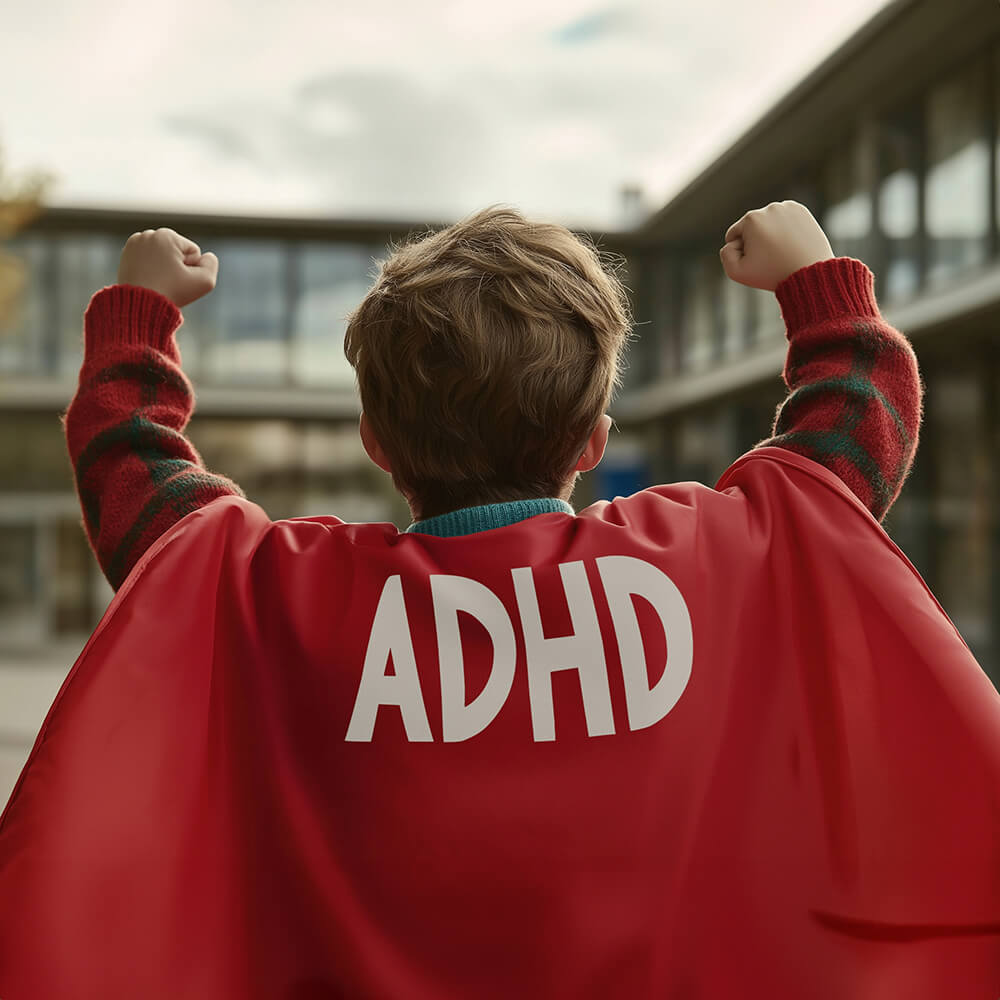
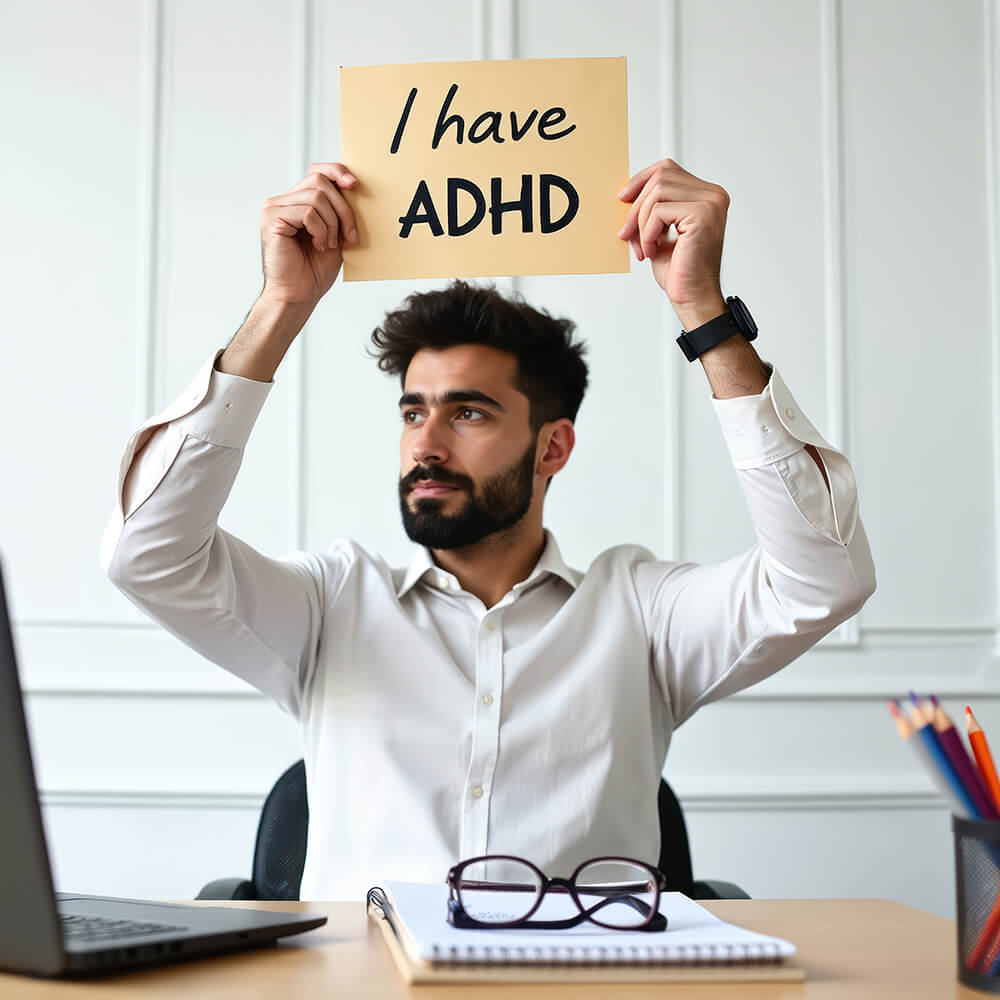
ADHD in Children

Common Signs & Symptoms

Every child's journey is different, but these are the most reported symptoms:
  • Trouble paying attention, staying focused, or following directions
  • Getting easily distracted by sounds, movement, or their own thoughts
  • Difficulty finishing homework or chores
  • Forgetting instructions, losing school items, or being disorganized
  • Constant movement — fidgeting, running, climbing, or trouble sitting still
  • Excessive talking, interrupting others, or difficulty waiting their turn
  • Acting quickly without thinking (“I didn’t mean to…”)
  • Strong emotional reactions, frustration, or difficulty calming down
  • Challenges getting along with peers or understanding social cues
  • Underperforming in school despite having strong abilities
  • Struggles with following rules at home and at school

“Special Strengths’’ with ADHD

Children with ADHD often bring remarkable strengths that shine when supported well:
  • Curious, imaginative, creative
  • Energetic and enthusiastic
  • Strong problem-solvers
  • Big-hearted and empathetic
  • Quick learners with hands-on tasks
  • Excellent at focusing on interests
  • Works well in a structured environment
ADHD Treatment in Goodyear

ADHD in Teens

Common Signs & Symptoms

Every teen’s journey is different, but these are the most reported symptoms:
  • Difficulty paying attention in class or during homework
  • Easily distracted by phones, music, or surroundings
  • Procrastination and trouble completing assignments
  • Forgetting tasks, losing belongings, or being disorganized
  • Restlessness or fidgeting, difficulty staying seated
  • Impulsivity — interrupting, blurting out, or making quick decisions
  • Emotional sensitivity, frustration, or mood swings
  • Challenges with time management and prioritizing tasks
  • Strained relationships with family, friends, or teachers
  • Strong focus on activities they enjoy, but inconsistent attention elsewhere

“Special Strengths’’ with ADHD

Teens with ADHD often bring tremendous drive and creativity to the things they love:
  • Remarkable creativity, energy, and passion
  • Hyperfocus on interests
  • Think outside the box and solve problems in unconventional ways
  • Adapt quickly to changing situations and show empathy and emotional awareness
  • Their resilience and dedication help them persist through challenges and deeply engage in the things they care about

ADHD in Adults

Common Signs & Symptoms

Every person's journey is different, but these are the most reported symptoms:
  • Difficulty focusing or staying on task, especially during work, reading, or conversations
  • Feeling easily distracted or mentally “pulled in many directions”
  • Pre-occupied with negative intrusive thoughts (the worst situation that could happen)
  • Hyperfocusing or spiraling down a thought (positive or negative) that may overly consume your time
  • Struggles with accepting positive compliments from others
  • Struggles with trusting other people
  • Always questioning their own decisions or the decisions of others with “negative what-if” questions
  • Starting projects with enthusiasm but struggling to finish them
  • Chronic disorganization — losing keys, forgetting appointments, or living in clutter
  • Trouble with time management, running late, or underestimating how long tasks take
  • Procrastination or avoiding tasks that feel overwhelming
  • Impulsivity, such as interrupting others or making quick decisions without thinking
  • Restlessness — either physical fidgeting or an “always on” busy mind
  • Emotional ups and downs (rollercoaster), frustration, or sensitivity to criticism
  • Feeling overwhelmed by multitasking or planning
  • Challenges in work, relationships, or daily routines despite strong effort and capability
  • Unable to shut mind off at night before bedtime, leading to insomnia
  • Struggles with boundaries due to fear of hurting others’ feelings

“Special Strengths’’ with ADHD

Adults with ADHD often excel when their strengths are channeled with the right structure and support:
  • Creative, energetic, and innovative
  • Hyperfocus on tasks they are passionate about
  • Think outside the box, adapt quickly, and solve problems in unique ways
  • Resilient, empathetic, and deeply committed
  • Turn strengths into personal and professional success
  • Highly organized and structured people
  • Highly productive with personal and professional projects when appropriately treated for ADHD
ADHD Treatment in Paradise Valley, & Surprise

ADHD Comorbidities

What other mental health conditions can occur with ADHD?

Children & Teens

  • Excessive worry, social anxiety, or panic tendencies
  • Persistent sadness, low motivation, or irritability
  • Dyslexia, dyscalculia, or processing difficulties
  • Trouble falling asleep, staying asleep, or restless sleep
  • Oppositional Defiant Disorder (ODD) or conduct issues
  • Frequent mood swings, frustration, or anger outbursts
  • Difficulty making friends, sharing, or understanding social cues
  • Over- or under-sensitivity to sounds, textures, or movement

Adults

  • Generalized Anxiety Disorder (GAD), Panic Disorder, and Social Anxiety
  • Depression
  • Bipolar disorder (misdiagnosis risk is high)
  • PTSD
  • Memory struggles
  • Sleep disorders, insomnia, restless sleep, and difficulty falling asleep
  • Increased risk for addiction
  • Dyslexia, auditory or visual processing difficulties
  • Hormonal Imbalances that can worsen ADHD symptoms, especially in perimenopause, menopause, and thyroid disorders

Hope and Healing Begin Here